Holy Blood: The Ultimate Horror Display Font for Creepy Designs
When you are looking to create a design that instantly evokes dread, fear, or an unsettling atmosphere, the right typography is not just a choice—it is the foundation of your visual impact. Enter Holy Blood, a creepy and horror-looking display font designed to make a spectacular impression on anyone who sees it. Whether you are a graphic designer crafting a movie poster, a small business owner creating seasonal merchandise, or a hobbyist working on Halloween crafts, this typeface offers a unique blend of gothic elegance and visceral terror.
In the world of digital design, fonts are more than just letters; they are emotional triggers. Holy Blood taps into the primal human response to danger and the macabre. It is not merely a font for text; it is a statement piece that demands attention. This article explores what makes Holy Blood such a powerful tool for creators, how it can be applied in various real-world scenarios, and what you need to consider before adding it to your design toolkit.
Understanding the Aesthetic of Holy Blood
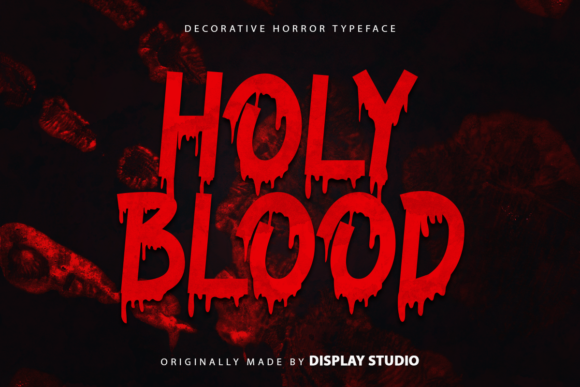
To appreciate the utility of Holy Blood, one must first understand its aesthetic language. Unlike standard serif or sans-serif fonts that prioritize readability and neutrality, Holy Blood is an expressionist typeface. Its characters are characterized by sharp, jagged edges, uneven strokes, and a texture that mimics dried blood or rough, ancient parchment. The glyphs often appear as if they have been slashed, scratched, or dripped onto the canvas, creating an immediate sense of unease.
The font’s name itself suggests a duality: "Holy" implies something sacred or revered, while "Blood" invokes violence and mortality. This juxtaposition creates a complex visual narrative. When used in headlines or titles, Holy Blood does not just say words; it tells a story of dark rituals, ancient curses, or supernatural events. For designers, this means less effort is required to convey mood. The font carries the emotional weight, allowing the rest of the design to support rather than compete with the typography.
Key Characteristics and Features
- Dramatic Contrast: The font features extreme variations in stroke width, giving it a dynamic and aggressive look that stands out even at smaller sizes.
- Textural Depth: Many versions of Holy Blood include built-in textures or distressed effects, reducing the need for additional graphic manipulation in software like Photoshop or Illustrator.
- Versatile Weight Options: While primarily known for its heavy, impactful display weights, some variants offer lighter options that maintain the eerie aesthetic while improving legibility for longer passages.
- Gothic Inspiration: Rooted in blackletter and gothic traditions, Holy Blood connects modern horror aesthetics with historical typographic forms, appealing to fans of classic horror literature and cinema.
Practical Applications for Creators and Businesses
One of the most common questions creators ask is, "Where can I actually use this?" The beauty of Holy Blood lies in its versatility within specific niches. It is not suitable for body text or professional corporate documents, but it excels in contexts where shock value and thematic consistency are paramount.
Halloween Crafts and Seasonal Decor
As autumn approaches, demand for spooky decor skyrockets. DIY enthusiasts and craft sellers frequently turn to display fonts to label their creations. Holy Blood is perfect for:
- Custom Signs: Create haunted house signs, yard decorations, or door hangers that set the tone before guests even enter.
- Party Invitations: Add a touch of genuine fright to your Halloween party invites by using Holy Blood for the event title and key details.
- Labeling Supplies: Use the font on jars of "witch's brew," candy buckets, or gift tags to enhance the thematic experience of your craft projects.
For small business owners selling handmade goods on platforms like Etsy, using Holy Blood can help their products stand out in search results and visually communicate the product's theme instantly. A mug with "Spooky Season" written in Holy Blood immediately signals to the buyer that this item fits their Halloween decor needs.
Horror Movie Posters and Event Marketing
In the entertainment industry, typography is often the first thing audiences notice. Horror movie posters rely heavily on type to build anticipation and fear. Holy Blood provides a ready-made solution for filmmakers and independent artists who want their posters to look professional and terrifying without spending weeks customizing letterforms.
Beyond movies, local theaters, escape rooms, and haunted attractions can benefit significantly from this font. Imagine a flyer for a midnight screening or a ticket stub for a haunted maze. The jagged, blood-like appearance of Holy Blood reinforces the promise of a thrilling experience. It signals to the audience that they are about to step into a world of darkness and suspense.
T-Shirt Design and Merchandise
The streetwear and alternative fashion markets are ripe for bold, graphic typography. T-shirt designs featuring Holy Blood can range from subtle nods to horror culture to overtly aggressive statements. Because the font has such strong visual presence, it works well as the central element of a design, requiring minimal accompanying graphics.
Businesses that sell apparel should note that Holy Blood translates exceptionally well to screen printing and vinyl cutting. The high contrast and distinct shapes ensure that the design remains legible and impactful even when printed on various fabrics and colors. However, designers should be mindful of color choices; black text on white shirts may lose some of the "blood" effect, whereas red text on black shirts amplifies the horror theme.
Evaluating Suitability and Limitations
While Holy Blood is a powerful asset, it is not a universal solution. Understanding its limitations is crucial for maintaining professionalism and effectiveness in your designs.
Legibility vs. Atmosphere
The primary drawback of any display font like Holy Blood is reduced legibility. The stylistic flourishes and irregular shapes can make reading long paragraphs difficult and tiring for the eye. Therefore, it should never be used for body copy, instructions, or legal disclaimers. Instead, pair Holy Blood with clean, simple sans-serif or serif fonts for supporting text. This contrast enhances the horror aesthetic of the headline while ensuring the information is accessible.
Contextual Appropriateness
Using Holy Blood in inappropriate contexts can backfire. It is generally unsuitable for healthcare, finance, education, or any industry that relies on trust, calmness, and clarity. Attempting to use this font for a bank advertisement or a school newsletter would likely confuse customers and damage brand credibility. Always consider your target audience and the message you wish to convey. If the goal is to scare, thrill, or intrigue, Holy Blood is an excellent choice. If the goal is to inform calmly, choose a different typeface.
Licensing and Commercial Use
Before incorporating Holy Blood into any commercial project, whether it is a t-shirt for sale or a movie poster, it is essential to review the licensing agreement. Some fonts are free for personal use only, requiring a paid license for commercial distribution. Others may have restrictions on the number of prints or digital impressions. Ensuring compliance protects you from legal issues and supports the type designer. Always check the source where you downloaded the font for specific terms regarding usage rights.
Maximizing Impact with Design Best Practices
To get the most out of Holy Blood, follow these practical tips for integration:
- Use Sparingly: Let the font breathe. Large, isolated instances of Holy Blood are far more impactful than dense blocks of text. Give the design negative space to highlight the typography.
- Experiment with Colors: While red is the obvious choice, don't limit yourself. White on black, yellow on black, or even a desaturated gray can create different moods. Red evokes violence, while white can evoke ghosts or spirits.
- Add Distress Effects: If the font file doesn't include enough texture, add grain, noise, or blood splatter overlays in your design software to enhance the creepy vibe.
- Combine with Imagery: Pair Holy Blood with relevant imagery such as skulls, bats, shadows, or abstract horror elements to reinforce the theme.
Conclusion
Holy Blood is more than just a font; it is a specialized tool for evoking strong emotions and setting a specific tone. Its creepy and horror-looking characteristics make it invaluable for Halloween crafts, horror movie posters, t-shirts, and other creative projects that require a spectacular, unsettling look. By understanding its strengths, respecting its limitations, and applying it thoughtfully, creators can produce designs that resonate deeply with their audience. Whether you are designing for fun or for profit, Holy Blood offers a reliable way to bring the dark side of creativity to life.