Laser Gun: The Modern Display Font for High-Impact Design
In the crowded landscape of digital typography, finding a typeface that commands attention without sacrificing readability is a constant challenge. Laser Gun emerges as a distinctive solution, positioning itself firmly within the techno and modern display categories. It is not merely a collection of glyphs; it is a statement piece designed to elevate visual hierarchy and inject energy into static layouts. For designers, marketers, and creators alike, understanding the specific utility of Laser Gun can transform how they approach branding, editorial design, and digital advertising.
What Defines Laser Gun?
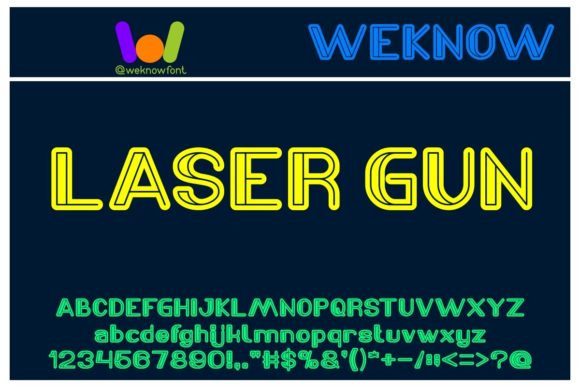
At its core, Laser Gun is a display font characterized by sharp angles, geometric precision, and a futuristic aesthetic. The name itself suggests speed, technology, and impact—attributes that are visually encoded in its letterforms. Unlike traditional serif or sans-serif fonts that prioritize neutrality, Laser Gun is expressive. It features clean lines and a structured grid that gives it a mechanical yet sophisticated feel. This makes it particularly effective for headlines, logos, and short bursts of text where immediate visual recognition is crucial.
The font’s versatility lies in its ability to bridge the gap between retro-futurism and contemporary minimalism. While it draws inspiration from cyberpunk and industrial design trends, its execution remains modern enough to fit seamlessly into current web and print standards. Whether used in a dark-mode interface or on a high-contrast poster, Laser Gun maintains its integrity, ensuring that the message is delivered with clarity and style.
Why Different Audiences Care About Display Typography
Not every font serves every purpose. A developer might prioritize system fonts for performance, while a novelist cares about reading comfort over decades. However, for audiences focused on visual communication, the choice of a display font like Laser Gun is strategic. It acts as a visual anchor, guiding the viewer’s eye and setting the tone before a single word is read.
- Brand Identity: Companies looking to project innovation, tech-savviness, or edginess find value in fonts that break away from corporate sterility.
- Event Marketing: Concerts, gaming tournaments, and tech expos require typography that conveys excitement and motion.
- Digital Engagement: Social media graphics and banner ads compete for attention in milliseconds; bold, unique fonts cut through the noise.
Perspectives from Beginners and Hobbyists
For those new to graphic design, the sheer number of available fonts can be overwhelming. Laser Gun offers a straightforward path to professional-looking results. Because it is a display font, it is intended for short texts rather than body copy. This limitation is actually a benefit for beginners, as it reduces the cognitive load associated with pairing typefaces. A novice designer can use Laser Gun for a title and pair it with a simple sans-serif for the subtitle, achieving a balanced composition quickly.
Hobbyists creating personal projects, such as zines, party invitations, or DIY craft labels, appreciate the accessibility of Laser Gun. It allows non-professionals to experiment with themes like sci-fi, gaming, or modern art without needing advanced typographic knowledge. The font’s strong character ensures that even amateur designs look intentional and polished.
Evaluations from Professionals and Creators
Experienced designers view Laser Gun not just as a decorative element, but as a tool for narrative construction. When working on brand identities for tech startups, cybersecurity firms, or creative agencies, professionals look for typefaces that convey specific values. Laser Gun communicates precision, speed, and forward-thinking. Its geometric structure aligns well with minimalist design principles, allowing ample white space to enhance readability while maintaining visual interest.
For illustrators and digital artists, Laser Gun provides a cohesive framework for mixed-media projects. It pairs effectively with glitch art, neon gradients, and abstract backgrounds. Professionals also consider the technical aspects, such as kerning and ligature support. A well-engineered font like Laser Gun ensures that spacing issues are minimized, saving time during the layout process and reducing the need for manual adjustments.
Practical Applications for Business Owners and Marketers
Small business owners and entrepreneurs often operate with limited resources, making efficiency and impact paramount. Laser Gun can serve as a cost-effective way to refresh a brand’s visual presence. Instead of investing in a complete custom typeface, which can be prohibitively expensive, businesses can license a high-quality display font to create a unique look for their marketing materials.
Marketers leverage Laser Gun for campaigns targeting younger demographics or industries related to technology, fitness, and entertainment. Consider a local gym launching a "High-Intensity Interval Training" program. Using Laser Gun for the campaign headline instantly communicates energy and intensity. Similarly, an e-commerce store selling electronic accessories can use the font to highlight product launches, creating a sense of urgency and modernity that resonates with tech enthusiasts.
Specific Use Cases Across Industries
- Gaming Esports: Team names, tournament brackets, and streaming overlays benefit from the aggressive, competitive feel of Laser Gun.
- Fashion and Apparel: Streetwear brands often adopt techno aesthetics. Laser Gun works well on tags, hangtags, and lookbook covers.
- Music Production: Album covers for electronic, synthwave, or hip-hop genres frequently utilize sharp, angular typography to match the sonic texture.
- Education and Workshops: Educators teaching digital design or coding can use Laser Gun in slide decks to emphasize key terms or module titles, keeping students engaged.
Weighing Flexibility and Long-Term Usefulness
When evaluating any font, long-term usefulness is a critical factor. Trends come and go, but well-designed display fonts often have a longer shelf life because they tap into timeless aesthetic principles. Laser Gun’s reliance on geometric forms and clean lines ensures it does not appear dated quickly. However, users must recognize its role as a display font. It is not suitable for paragraphs of text or small UI elements. Understanding this distinction is key to maximizing its value.
Flexibility is another consideration. While Laser Gun is specialized, it complements a wide range of other typefaces. It shines when contrasted with softer, more organic fonts. This contrast creates visual tension that draws the eye. For publishers and bloggers, using Laser Gun sparingly for pull quotes or section headers can break up dense text and improve scannability, enhancing the user experience without compromising readability.
Identifying Your Fit with Laser Gun
Deciding whether Laser Gun belongs in your library depends on your specific goals. If you frequently work on projects requiring a bold, futuristic, or industrial vibe, this font is a valuable asset. It is particularly useful if you struggle to find a balance between creativity and professionalism. Conversely, if your work relies heavily on warm, traditional, or highly readable body text, Laser Gun may not be your primary tool, though it could still serve as a powerful accent.
Ultimately, Laser Gun is about elevation. It takes standard layouts and transforms them into compelling visual experiences. By integrating this font strategically, you signal to your audience that your work is modern, deliberate, and high-quality. Whether you are a seasoned pro crafting a global brand identity or a hobbyist designing a birthday invitation, Laser Gun offers the potential to make your creation stand out in a visually saturated world.